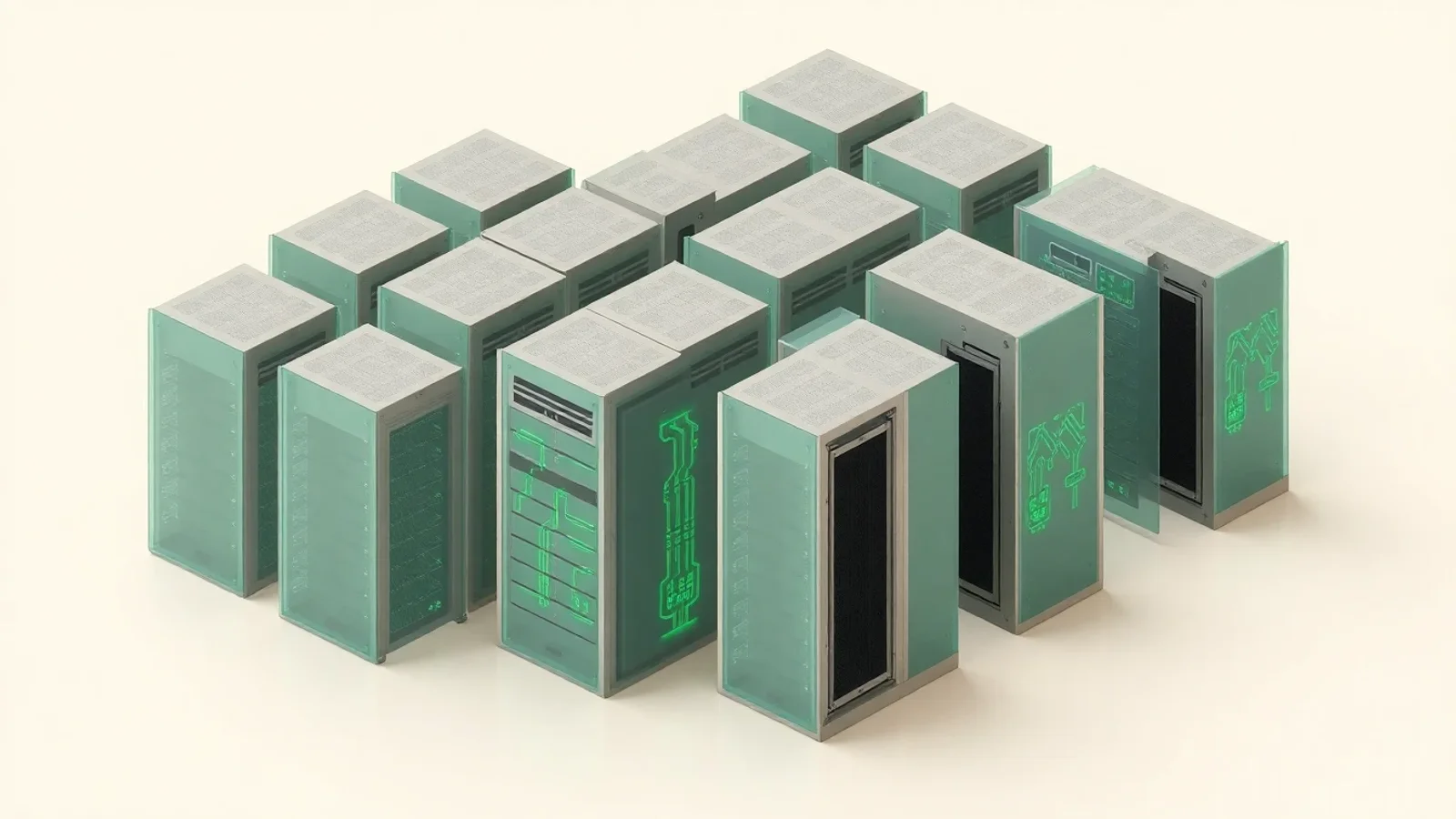
Motivation is seductive. It feels immediate, visible, cheap. Leaders rally a team, morale spikes, LinkedIn applause follows. But that feeling is not a strategy. It is a short-lived energy input applied to a long-term engine, and when pressure arrives the energy evaporates, decisions revert to habit, and revenue stops compounding.
Thesis
Motivation as a scaling strategy caps revenue, increases churn, and hides systemic weaknesses. In 2026, when AI and data systems deliver measurable revenue uplifts, relying on human willpower is an avoidable constraint. Operator evidence shows motivation-dependent organizations underperform peers by 20 to 30 percent, experience up to 25 percent higher sales churn, and persistently misallocate investment into pep experiences instead of scalable levers.
Why this matters now
The market moved. GenAI, predictive analytics, and automated GTM systems are no longer experimental. Firms that run weekly four-perspective market scans, automate pricing elasticity models, and instrument cross-functional KPI dashboards are finding low-friction revenue gains in the 3 to 15 percent range, sometimes more. Those gains are predictable, auditable, and repeatable. Motivation delivers none of that. It is stochastic. It is costly. In a world where predictable minor lifts compound into material outcomes, unpredictability is the true tax on growth.
A contrarian clarity
Most leaders mistake motion for progress. Pep talks change tone, not throughput. High performers swap motivational rituals for architecture, they trade rallying cries for systems that force the right behaviors without rallying. That shift is not moral. It is mathematical. Revenue compounds when the system routes every lead through the highest-probability path, when pricing changes are tested, and when churn drivers are measured. Motivation obscures those levers because it feels like leadership. It is often the founder's ego tax, a cosmetic fix that postpones the real work.
The revenue architecture lens
Treat scaling as an engineering problem. There are five architectural pillars that determine whether growth compounds or stalls.
1. Predictability, not pep
Predictability is the capacity to forecast revenue paths within a narrow band. It requires clean inputs, repeatable processes, and measurable outputs. Motivation increases variance, not central tendency. Replace transient rallies with daily incentives embedded inside workflows, outcome-based SLAs, and micro-triggers in your CRM that require data, not optimism, to progress a deal.
2. Throughput over theatrics
Throughput is how many qualified opportunities move end to end per unit of time. It is a function of pipeline velocity, conversion efficiency, and friction points. Motivation can temporarily increase activity, but unless you remove friction and codify winning plays, activity produces noise not revenue. Invest in playbooks that convert, automation that reduces handoffs, and a conversion-focused scorecard that sits on the leader's dashboard.
3. Pricing and promo elasticity as revenue engines
Small changes in price or promotion cadence, modeled and validated with regression, compound quickly. AI systems can surface elasticity patterns across channels and predict profit outcomes. This is where motivation is most destructive, because leaders love grand gestures like company-wide incentive weeks while ignoring the three percent margin erosion in a poorly structured promo program.
4. Retention and compounding LTV
Sustained revenue comes from retention, not rallies. Motivation increases churn by creating unsustainable effort expectations and by masking poor onboarding and product-fit issues. The right architecture replaces temporary motivational boosts with retention loops, cohort analysis, and NPS-linked improvement cycles that move lifetime value materially.
5. Capital flow and allocation
Where you spend time and money signals what you value. If 60 percent of culture spend goes to offsites and experiential hires, that is capital that could automate work, buy data, or shorten decision cycles. Reallocate low-return motivation budgets into tools and experiments that have a 3 to 15 percent ROI range, and measure the delta quarter to quarter.
Practical pathway, step by step
The decision to stop leaning on motivation is simple. The work is not. Here is an operator-level plan that replaces rallies with revenue architecture, and captures the upside the market now offers.
Step 0, baseline the damage
Run a Motivation Spend Audit across the last 12 months. Capture two numbers, total spend and measurable outcomes. Include offsites, external trainers, internal pep budgets, and the opportunity cost of hours spent in non-billable motivational activity. Compare that to potential tool investments and conservative ROI estimates. In sample sets, reallocation to AI market scans and dashboarding captures 3 to 15 percent more revenue, and reduces sales churn by up to 15 percent.
Step 1, stand up the AI-Market Scan
Implement the four-perspective scan weekly, covering company filings, analyst notes, journalist pieces, and expert transcripts. Feed outputs into a central knowledge layer. Target one immediate KPI, for example price gap identification, with a hypothesis like, "We can increase ASP by 5 percent in segment X without demand loss." Test, measure, iterate. This replaces guesswork with a predictable discovery cadence.
Step 2, rebuild the GTM dashboard
Create a cross-functional dashboard that tracks pipeline velocity, conversion by stage, churn by cohort, promo ROI, and pricing elasticity. Make it the single source of truth. Configure alerts that force action, not pep. If promo ROI drops below a threshold, the system throttles the next campaign until a control test runs. That is architecture, not exhortation.
Step 3, automate pricing and promo modeling
Build a regression-based pricing engine, even a simple one, that forecasts margin impact by channel. Start with three variables, price, promo depth, and acquisition channel. Run A B tests and fold results back into the model. Even conservative deployments return 3 to 10 percent in gross margin improvement within months.
Step 4, create a retention feedback loop
Instrument onboarding and early churn drivers with cohort analysis. Set retention targets tied to compensation, not just activity. Reward outcomes, not effort. This flips incentives away from short bursts of motivated effort to sustained, measurable performance.
Step 5, make hiring and comp structural, not inspirational
Your people systems must select for the wiring that performs inside the architecture. Use assessment and role-mapping to place Pipeline Developers where velocity matters, Conversion Specialists where closing rates matter, and Solutions Architects where complex sales need diagnosis. Compensate for activity only when that activity is correlated to outcomes in your data. If your best reps do not fit the playbook, change the playbook, or change the hire. Motivation is the cheap cover for mismatch.
Key trade-offs and pitfalls
Replacing motivation with systems is a change of focus, not a replacement of humanity. People still matter, but their energy must be channeled through design. Expect three transitions.
1. Short-term morale dip
Removing rituals will irritate some. That irritation is the difference between feel-good and future-proof. Communicate that you are reallocating resources to initiatives that will produce measurable rewards. Share the first wins quickly, even if they are small.
2. Measurement debt
Systems require clean data. Most firms will discover gaps, and cleaning them is tedious. Accept that as a capital expense. The payoff compounds.
3. Over-automation
Automation without human checks produces false certainty. Keep guardrails, human reviews for edge cases, and a rapid escalation path when models diverge from market reality.
Where motivation still belongs
There are moments for human leadership that have nothing to do with scaling mechanics. Crisis communication, honoring meaningful wins, and cultural rituals tied to identity are valid. The point is not to outlaw motivation, it is to stop using it as your primary scaling lever.
How to know you are winning
Replace subjective measures of "team energy" with hard signals. Examples:
— Pipeline velocity improves by at least 10 percent within two quarters after removing motivation-first initiatives and replacing them with process changes.
— Promo ROI increases by 3 to 10 percent after the first regression cycle.
— Sales churn falls by 10 to 15 percent within 6 to 12 months of moving budget from experiential spends to tools and retention programs.
— Forecast error tightens by 20 percent, improving capital allocation.
Final clarity
Motivation is not collateral damage, it is deliberate misallocation when used as a scaling strategy. It makes leaders feel active while revenue remains stochastic. The market rewards predictability. The architecture that wins in 2026 and beyond is built from AI-driven insight, repeatable plays, and compensation aligned to outcomes. If you want more revenue, stop trying to will it into existence. Engineer it.
Quarterly action
If you take nothing else, run a quarterly Revenue Architecture Audit. Score your organization across the five pillars provided here, allocate at least 30 percent of discretionary culture spend to systems and data, and publish the first dashboard to leadership within 60 days. That is how good operators stop depending on willpower and start compounding wealth.
Put this into practice: If you need to evaluate your sales team's real capability, SalesFit.ai assesses salespeople across 80+ data points to reveal who closes and who costs you pipeline. For done-for-you sales hiring and team-building, The Sales Connection has placed high-ticket closers across 101+ teams.